Essential Features to Consider When Choosing Manufacturing Maintenance Softwarefor Your Business
Choosing the right manufacturing maintenance softwarecan significantly influence your operational efficiency. Many businesses struggle with managing assets, tracking inventory, and generating insightful reports. This article will outline essential features to consider, including core maintenance managementcapabilities, asset trackingfunctionality, and usability. By understanding these key components, readers can find solutions that streamline maintenance processes and address common challenges, ultimately leading to improved productivityand cost savings for their organizations.
Evaluate Core Traits in Manufacturing Maintenance Software
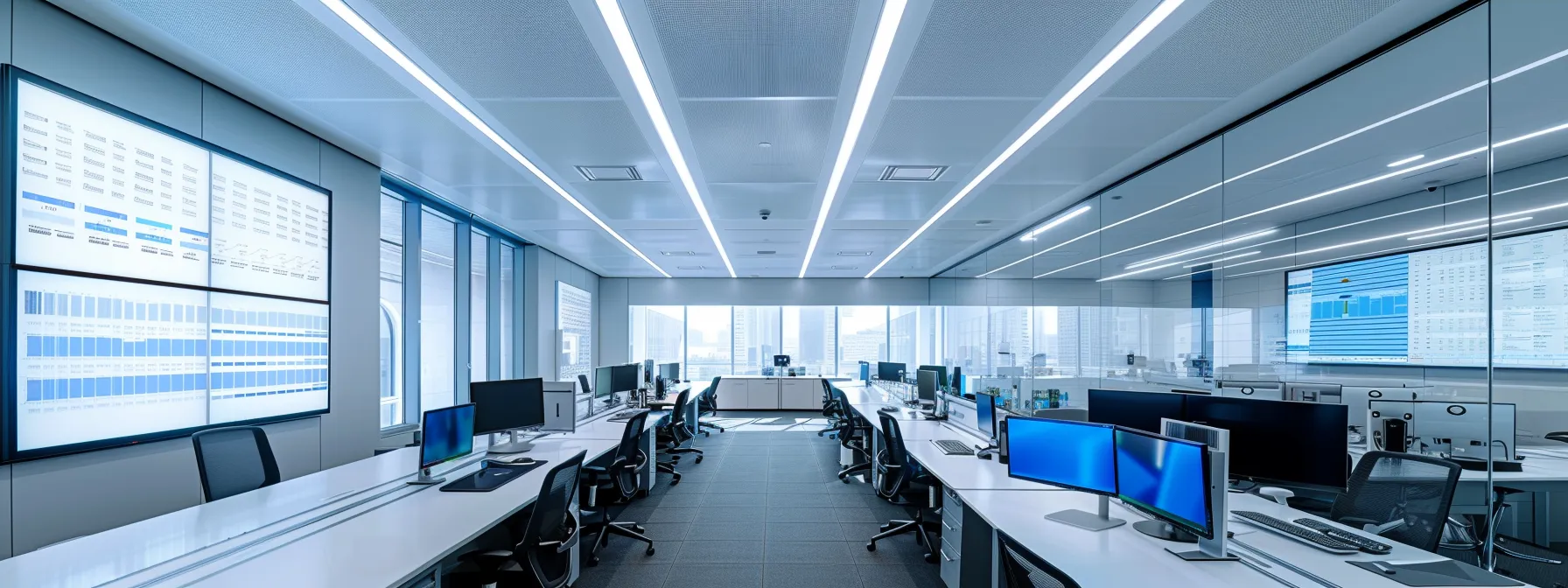
Streamlining work ordercreation and tracking enhances efficiency, which is crucial for effective resourceplanning. Scheduling preventive maintenancetasks and managing corrective activities minimizes downtime, thus improving the overall customerexperience. Automating maintenance workflows and defining standard operating procedures within the software integrates seamlessly into the business model, optimizing procurementstrategies and resource management.
Streamlining Work OrderCreation and Tracking
Streamlining work ordercreation and tracking is vital for manufacturers seeking to improve operational efficiency. Leveraging the industrial internet of things(IIoT), companies can automate data collection and task assignments, significantly reducing manual errors and enhancing project management. This technology allows maintenance teams to receive real-time insights, which can lead to quicker response times and minimize the riskof equipment failure.
Effective tracking systems enable maintenance managers to prioritize tasks better, ensuring that corrective actions are taken swiftly. Implementing a centralized software solution allows for the seamless integration of customerservice features, such as chatbots, which can help address inquiries related to maintenance statuses. By utilizing these tools, manufacturers can improve communicationand reduce the time spent resolving customerissues, ultimately leading to a better overall experience.
Moreover, well-designed work ordertracking systems support preventive maintenancestrategies that proactively address potential issues before they escalate. This forward-thinking approach not only mitigates riskbut also optimizes production schedules and resourceallocation. As manufacturers seek to enhance their operational capabilities, focusing on streamlined work orderprocesses can lead to substantial improvements in efficiencyand satisfaction across the board.
Scheduling Preventive MaintenanceTasks Effectively
Effective scheduling of preventive maintenancetasks is a cornerstone of maintenance management softwarefor any manufacturing organization. By integrating systems that track each machine‘s service history, companies can improve traceability and ensure that maintenance activities are conducted at appropriate intervals. This proactive approach not only minimizes the riskof unexpected breakdowns but also supports a value proposition that emphasizes reliability and operational continuity.
Automationplays a crucial role in this process, allowing factories to assign tasks based on specific equipment behavior and historical performance data. For instance, if a machinehas consistently shown signs of wear after a certain number of operational hours, the software can automatically schedule maintenance before potential failures disrupt production. This not only enhances overall efficiencybut also optimizes resourceallocation within the organization.
Utilizing mobile technology can further streamline preventive maintenance scheduling, enabling technicians to receive alerts and updates in real time. This capability ensures that team members can address issues promptly, aligning with modern manufacturing demands for rapid response and adaptability. Ultimately, the integration of these features leads to smoother operations, better asset management, and improved accountabilityacross the organization.
Managing Corrective Maintenance Activities Efficiently
Managing corrective maintenance activities efficiently is crucial for any manufacturing operation aiming to maintain critical infrastructure. A robust computerized maintenance management system(CMMS) provides organizations with the tools they need to track equipment failures and repair histories, ensuring that issues are addressed promptly. By utilizing a centralized data warehouse, teams can access vital information regarding past maintenance tasks, allowing for informed decision-making and improved service delivery.
Effective management of corrective maintenance activities hinges on accurate inventorytracking. When the CMMSintegrates inventory managementfunctions, maintenance teams can quickly identify the necessary parts for repairs. This real-time visibilityinto inventorylevels minimizes downtimeand further streamlines the process of obtaining materials, enabling teams to respond fast to equipment issues without unnecessary delays.
Furthermore, the use of a CMMSallows manufacturers to analyze trends in corrective maintenance, which can reveal underlying problems with critical assets. By understanding common failurepatterns, companies can implement preventive measures that reduce the occurrence of such failures in the future. This proactive approach not only enhances operational efficiencybut also supports long-term asset managementstrategies, ultimately leading to a more resilient manufacturing environment.
Automating Maintenance WorkflowProcesses
Automating maintenance workflowprocesses is essential for companies aiming to enhance efficiencyand reduce operational disruptions. By leveraging machine learning, organizations can analyze historical data to predict maintenance needs, allowing for strategic planning that aligns with production schedules. This proactive approach enables maintenance teams to focus on optimizing the infrastructurerather than reacting to unforeseen equipment failures.
For clients seeking reliable maintenance management software, automationfeatures play a critical role in streamlining workflows and improving response times. Systems that integrate with data centers can track inventorylevels and maintenance requests in real-time, ensuring that technicians have the necessary resources on hand when addressing issues. This minimizes downtimeand enhances productivity, as teams can swiftly shift their focus to other tasks while waiting for repairs to be completed.
Furthermore, automating processes helps to create a standardized approach to maintenance across the organization. With consistent protocols in place, maintenance teams can predict and manage workloads more effectively, contributing to better resourceallocation. This structured method not only addresses the immediate needs of the business but also lays the foundation for long-term success in maintaining and optimizing machinery and infrastructure.
Defining Standard Operating Procedures Within the Software
Defining standard operating procedures (SOPs) within manufacturing maintenance softwareserves as a cornerstone for effective workflowmanagement. SOPs not only promote consistency but also enhance collaboration among team members by providing clear guidelines on performing tasks. This clarity is essential, especially in environments where multiple stakeholders rely on various functionalities, including inventory managementand maintenance schedules.
The integration of cloud computing technologies facilitates easy access to these SOPs from any location, enabling swift adaptations and updates. This aspect of digital transformation is crucial as it supports real-time collaboration, allowing maintenance teams to work together seamlessly, regardless of their physical locations. By centralizing information, organizations ensure that everyone stays informed, leading to streamlined operations and minimized confusion.
Furthermore, maintenance softwareequipped with well-defined SOPs assists maintenance managers in training new employees more efficiently, reducing the learning curve. As these procedures become part of the daily workflow, they help mitigate risks associated with equipment failures and maintenance delays. By leveraging the expertise of seasoned professionals in creating SOPs, organizations can foster a culture of accountability, ultimately enhancing performance and reliability in their maintenance operations.
Assess Asset Trackingand Management Functionality

Building a comprehensive assetregistry systemis essential for effective maintenance management. Companies should monitor equipment condition and operational performance through advanced sensortechnology and data integration. Tracking complete assethistory and maintenance logs, along with utilizing assettagging methods, ensures accuracy in management. Lastly, mapping assetlocations across facilities enhances usabilityand data security, which is crucial for streamlined operations.
Building a Comprehensive AssetRegistry System
Building a comprehensive assetregistry systemis foundational for effective maintenance managementin manufacturing. This systemallows organizations to monitor equipment condition and performance through precise tracking methods. By incorporating work order managementfeatures, maintenance teams can ensure that equipment data is always up-to-date, enabling informed decision-making regarding repairs and upgrades.
Using advanced sensortechnology and data integrationenhances the accuracy of the assetregistry. This approach provides valuable intelligence about operational performance and assethistory. With thorough auditing capabilities, companies can conduct regular assessments of their equipment, which is critical for maintaining quality control and ensuring compliance with industry standards.
Mapping assetlocations across facilities further improves management efficiencyand streamlines operations. This comprehensive visibilitysupports supply chain managementby facilitating quick access to information about assetconditions. Ultimately, an effective assetregistry not only strengthens maintenance practices but also contributes to overall production effectiveness and reliability in manufacturing environments.
Monitoring Equipment Condition and Operational Performance
Monitoring equipment condition and operational performance is vital for manufacturing operations to ensure reliability and efficiency. By integrating technologies such as the Internet of Things(IoT) and computer vision, organizations can collect real-time data on machinery status, allowing them to identify potential issues before they escalate. This proactive approach significantly minimizes unplanned downtimeand optimizes the overall production process.
Utilizing analyticstools offers manufacturers the ability to analyze patterns in equipment performance, leading to informed decision-making. For instance, analyzing historical data on machinery failures and maintenance activities can help identify trends, allowing maintenance teams to schedule interventions at the most effective times. This data-driven strategyfosters a more reliable and efficient maintenance process, directly impacting the bottom line.
Additionally, employing advanced asset trackingmethods enhances management capabilities, providing a comprehensive overview of equipment across facilities. This visibilityis especially critical in sectors such as construction, where equipment performance can greatly impact project timelines and costs. A cohesive systemthat leverages modern technology ensures that organizations can maintain their assets effectively, aligning with their brand promise of reliability and quality in manufacturing operations.
Tracking Complete AssetHistory and Maintenance Logs
Tracking complete assethistory and maintenance logs is a fundamental feature of manufacturing maintenance softwarethat significantly enhances safetyand productivity. By documenting every maintenance activity, organizations can maintain accurate historical records, which are essential for regulatory complianceand informed decision-making. This continuous monitoring allows companies to identify potential safetyissues and repair needs before they escalate, ultimately minimizing riskand improving operational efficiency.
Moreover, comprehensive asset trackingenables businesses to evaluate vendorperformance and product reliability over time. Analyzing maintenance logs can reveal trends related to specific assets, helping organizations make strategic decisions about equipment replacements or upgrades. This omnichannel approach to asset managementensures that the right information is accessible across departments, facilitating better collaboration and streamlining maintenance processes.
Additionally, effective assethistory tracking directly supports organizational goals by contributing to increased productivity. By understanding the maintenance needs of each asset, teams can schedule repairs during off-peak hours, thereby limiting disruptions to production workflows. This proactive management strengthens the company’s ability to leverage its assets fully, ensuring that equipment is available and functioning optimally when needed.
Utilizing AssetTagging and Identification Methods
Utilizing assettagging and identification methods is crucial for enhancing efficiencyin manufacturing operations. By implementing RFID (Radio-Frequency Identification) or barcoding systems, companies can track equipment and inventorywith precision. This technology allows for real-time monitoring of assets, reducing the riskof downtimedue to lost or misplaced items, thus ensuring smooth operations across the production line.
Moreover, integrating assettagging with inventory management softwareallows organizations to maintain accurate records and streamline their supply chainprocesses. For instance, when assets are tagged, maintenance teams can quickly pinpoint their location and status, which streamlines workflows and minimizes interruptions. In retail environments, this approach supports accurate stock management, directly linking physical inventoryto accounting softwarefor enhanced financial oversight.
Additionally, assettagging facilitates informed decision-making by providing historical data about equipment usage and maintenance needs. This insight helps organizations plan for necessary repairs and replacements efficiently, ultimately contributing to reduced operational costs. By proactively managing assets with effective tagging methods, manufacturing businesses can significantly enhance productivityand ensure lasting equipment reliability.
Mapping AssetLocations Across Your Facilities
Mapping assetlocations across facilities provides organizations with crucial visibilityinto their resources, enhancing overall efficiency. By implementing precise location tracking for machines, companies can optimize resourceallocation, ensuring that every assetis used effectively within their operations. This direct link between asset managementand operational success enables firms to maintain a smooth workflow, thereby reducing the riskof delays in production.
Accurate mapping allows maintenance teams to coordinate tasks efficiently, as they are always informed of each machine‘s whereabouts. This knowledge facilitates quicker response times when repairs are necessary, ultimately minimizing downtimeand associated costs. Moreover, by integrating these mapping features with accountingsystems, organizations can better manage their budgets and forecast future expenses regarding maintenance and assetutilization.
The use of advanced mapping technologies, such as GPS or RFID, can enhance tracking capabilities and improve decision-making processes. Organizations that effectively implement these technologies gain valuable insights into their assets’ performance and location history. This data is invaluable for strategic planning and enables maintenance managers to make informed decisions regarding upgrades or replacements, ensuring that resources are allocated wisely and efficiently across the business.
Examine Inventoryand Spare Parts Control Features

Maintaining accurate spare parts inventorylevels is crucial for an effective inventory managementsystemthat enhances supply chainefficiency. Setting automated reorder points ensures the availability of necessary parts, while tracking parts usage against specific work ordersenhances asset management. Managing stock across multiple warehouse locations and linking parts suppliers with procurementdetails further improves accessibilityand maximizes return on investment.
Maintaining Accurate Spare Parts InventoryLevels
Maintaining accurate spare parts inventorylevels is critical for effective manufacturing operations. By utilizing a warehouse management systemintegrated with maintenance software, companies can achieve enhanced visibilityover inventorylevels. This transparency allows maintenance teams to respond promptly to work orders, ensuring that the necessary parts are available when needed to minimize production disruptions.
Implementing a mobile appcan further streamline inventory managementby providing real-time access to spare parts data on the go. Technicians can easily check stock levels while in the field, thereby improving workflowand reducing repair delays. This immediate access supports a proactive approach to maintenance, allowing teams to address potential issues before they escalate into bigger problems.
Establishing automated reorder points within the inventory managementsystemenhances efficiencyby ensuring that necessary parts are replenished without manual oversight. This feature enables organizations to maintain appropriate stock levels, thus optimizing resourceallocation and minimizing carrying costs. Ultimately, accurate inventory managementnot only boosts operational efficiencybut also contributes to overall cost savings and improved service quality.
Setting Automated Reorder Points for Necessary Parts
Setting automated reorder points for necessary parts is fundamental for effective inventory managementwithin manufacturing maintenance software. This feature enables organizations to maintain optimal stock levels, significantly reducing the riskof production delays due to unavailable parts. By integrating logistics capabilities, companies can streamline their supply chainprocesses, ensuring that essential components are replenished in a timely manner, thereby enhancing overall user experience and operational efficiency.
Automationin reorder points not only supports innovation in inventory managementbut also improves customersatisfaction. When parts are readily available, maintenance teams can execute repairs swiftly, minimizing downtimeand delivering reliable service. This proactive approach to inventory managementaligns with scalability, allowing businesses to adapt quickly to changing demands without compromising service quality.
Furthermore, the ability to set and adjust reorder points based on historical usage data empowers manufacturers to make informed decisions regarding inventorystrategies. This adaptability ensures a robust supply chainthat not only meets immediate needs but also anticipates future demands. By optimizing inventory managementthrough automation, organizations can enhance their overall operational effectiveness, driving sustained growth and success in the competitive manufacturing sector.
Tracking Parts Usage Against Specific Work Orders
Tracking parts usage against specific work ordersis a vital function in manufacturing maintenance software, as it ensures that resources are allocated efficiently. By integrating this feature with a centralized database, organizations can gain insights into how much inventoryis consumed for each task, enhancing overall operational efficiency. When maintenance teams have access to accurate usage data, they can make informed decisions that prevent overstocking and minimize waste.
Moreover, a robust systemallows businesses to link parts usage directly to their point of sale, providing a clear view of spending patterns. This connection not only helps in monitoring inventorylevels but also facilitates effective budget management. With reliable customersupport embedded within the software, users can receive immediate assistance when discrepancies arise, ensuring that maintenance operations continue uninterrupted.
Real-time tracking of parts against work ordersalso empowers organizations to improve accountabilitywithin the supply chain. By understanding which components are frequently used, manufacturers can prioritize reordering strategies, aligning inventorylevels with actual demand. This proactive management reduces the riskof downtimeduring maintenance and promotes a smoother workflow, which is essential for maintaining productivityin a competitive market.
Managing Stock Across Multiple Warehouse Locations
Managing stock across multiple warehouse locations is critical for enhancing efficiencyin manufacturing operations. Effective maintenance softwareprovides centralized insights into inventorylevels, enabling organizations to track stock across distributed sites seamlessly. This visibilityis essential for ensuring that necessary spare parts are always accessible, avoiding delays in repairs and preventing production interruptions.
With real-time data, maintenance managers can optimize resourceallocation by identifying which warehouses have surplus inventoryand which locations may be running low on vital parts. This capability allows companies to redistribute stock effectively and maintain balanced inventorylevels. By leveraging these insights, organizations can enhance their operational efficiencyand reduce unnecessary expenses associated with overstocking or emergency orders.
Moreover, the integration of multi-warehouse management features within maintenance softwarefacilitates smoother coordination between teams and suppliers. This streamlined approach improves communicationand ensures that maintenance departments have the necessary parts at their fingertips, regardless of their location. As manufacturing operations grow and diversify, having a robust stock management systemis essential to maintain competitiveness in the marketplace while delivering reliable service to customers.
Linking Parts Suppliers and ProcurementDetails
Linking parts suppliers and procurementdetails within manufacturing maintenance softwareenhances the efficiencyof inventory management. When suppliers’ information is seamlessly integrated, maintenance teams can quickly access necessary parts, ensuring timely repairs and minimizing downtime. This integration allows organizations to make data-driven decisions, improving the procurementprocess and helping maintain optimal stock levels.
By connecting procurementdetails directly to inventory management, companies can streamline their ordering processes. For instance, real-time data on parts usage allows maintenance managers to identify which items require replenishment and which suppliers offer the best pricing and lead times. This capability not only reduces costs but also fosters partnerships with reliable suppliers, enhancing the supply chainoverall.
Moreover, having a robust link between suppliers and procurementdetails supports strategic planning for future needs. Maintenance softwarecan analyze historical data to forecast parts requirements, enabling businesses to negotiate better terms with suppliers. This proactive approach ensures that organizations remain well-resourced, allowing for sustained productivityand smooth operations in a competitive manufacturing environment.
Analyze Reporting and Analyticsfor Informed Decisions

Effective manufacturing maintenance softwareshould include robust reporting and analyticsfeatures to empower informed decision-making. Generating Key Performance Indicator (KPI) reports allows managers to assess maintenance efficiency. Analyzing maintenance costs ensures budget adherence, while tracking technician performance enhances productivity. Customizing dashboards to focus on specific metrics and forecasting future maintenance needs based on data trends is vital for optimizing operations.
Generating Key Performance Indicator Reports for Maintenance
Generating Key Performance Indicator (KPI) reports is a critical function of effective maintenance management softwarein the manufacturing sector. These reports provide maintenance managers with essential insights into performance metrics, enabling them to assess how efficiently resources are utilized. For example, tracking the mean time to repair(MTTR) or mean time between failures (MTBF) can highlight areas for improvement, helping organizations to enhance their operational reliability.
With KPI reports, businesses can pinpoint specific maintenance issues that may be hindering productivity. By analyzing data trends, teams can identify recurring problems and implement corrective measures proactively. This capability allows maintenance departments to allocate resources more effectively, ensuring that technicians focus on high-impact areas rather than routine tasks.
Moreover, the ability to customize KPI dashboards ensures that maintenance leaders can track the metrics most relevant to their operations. This adaptability enables organizations to align their maintenance strategies with broader business objectives, promoting continuous improvement. As manufacturers face increasing demands for efficiency, leveraging KPI reporting tools within maintenance softwarebecomes a vital strategyfor driving performance and enhancing competitiveness.
Analyzing Maintenance Costs and Budget Adherence
Analyzing maintenance costs is crucial for manufacturers aiming to improve their financial performance. By utilizing advanced manufacturing maintenance software, organizations can track expenses related to maintenance activities, providing visibilityinto operational costs. This capability enables maintenance managers to identify areas of overspending and develop strategies to optimize resourceallocation effectively.
Accurate data reporting capabilities make budget adherence more manageable. By regularly generating and reviewing financial reports, organizations can assess their actual spending against the budgeted amounts. This analysis not only highlights discrepancies but also empowers maintenance teams to implement cost-saving measures and enhance overall financial accountability.
Furthermore, understanding maintenance costs allows managers to forecast future budgetary needs with greater accuracy. By analyzing historical maintenance data and trends, organizations can allocate funds more effectively towards preventive measures, ultimately reducing the riskof unexpected breakdowns and costly repairs. This proactive financial planning ensures the sustainability of manufacturing operations while supporting strategic growth initiatives.
Tracking Technician Performance and Workload Productivity
Tracking technician performance and workload productivityis essential for optimizing maintenance operations within manufacturing environments. By utilizing comprehensive reports generated by maintenance management software, organizations can evaluate how effectively technicians complete tasks and identify areas for improvement. This capability enables managers to address performance issues proactively, ensuring that resources are allocated efficiently to maintain productivity.
Incorporating metrics such as task completion rates and average response times allows businesses to assess the effectiveness of their maintenance teams. For instance, if a technician consistently takes longer to resolve issues, management can provide additional training or resources to enhance their efficiency. These insights not only foster accountabilitybut also improve overall service delivery, contributing to a more productive workforce.
Furthermore, effective tracking provides clarity on workload distribution, helping managers identify potential bottlenecks or overburdened staff. Understanding how tasks are assigned and completed enables better planning and scheduling, minimizing downtime, and improving workflow. By leveraging performance data, organizations can ensure that all technicians are utilized effectively, ultimately leading to enhanced operational efficiencyand service reliability.
Customizing Dashboards to Monitor Specific Metrics
Customizing dashboards to monitor specific metrics is a vital feature of manufacturing maintenance softwarethat significantly enhances decision-making. By tailoring the display of key performance indicators (KPIs) relevant to an organization‘s unique operations, maintenance managers can quickly access crucial data points, such as downtimetrends or equipment performance. This personalized approach allows teams to address issues more effectively, resulting in improved operational efficiency.
For instance, a manufacturing facility may prioritize metrics related to machineutilization and work ordercompletion rates. By integrating these metrics into a dashboard, maintenance teams can spot inefficiencies and take corrective actions quickly, minimizing production downtime. The streamlined access to relevant information equips managers with the insights necessary to make informed decisions, ultimately supporting better resourceallocation and planning.
Moreover, customizable dashboards enhance collaboration among teams by enabling staff members to focus on metrics that align with their responsibilities. When maintenance personnel can monitor dashboard features specific to their roles, they are empowered to contribute meaningfully to overall operational effectiveness. This proactive engagement fosters a culture of accountabilityand responsiveness, driving continuous improvement within maintenance operations across the organization.
Forecasting Future Maintenance Needs Using Data Trends
Forecasting future maintenance needs using data trends is pivotal for enhancing operational efficiencyin manufacturing. By leveraging historical maintenance data, organizations can identify patterns related to equipment failures or service requirements. This approach enables maintenance managers to preemptively address potential issues, significantly reducing unplanned downtimeand associated costs.
Utilizing advanced analyticstools within maintenance management softwareallows companies to generate accurate forecasts based on equipment performance data. For example, if historical trends indicate that certain machinery requires service after a specific number of operational hours, the software can automatically suggest maintenance schedules. This proactive methodology enhances machinery reliability and supports continuous production workflows.
Furthermore, the effective tracking of maintenance trends facilitates informed decision-making regarding budget allocations and resource management. By analyzing data patterns, organizations can prioritize their efforts, ensuring that critical assets receive the attention they need. This strategic focus not only optimizes maintenance activities but also strengthens overall operational performance in a competitive manufacturing environment.
Prioritize Usabilityand Platform Accessibility

An effective manufacturing maintenance softwareshould prioritize usabilityand platform accessibility, ensuring an intuitive user interfacefor all staff. This includes offering mobile application access for field technicians, enabling offline data capture and synchronization, and providing comprehensive training and support resources. Moreover, evaluating user role management and permission controls enhances security and efficiencyby tailoring access based on individual responsibilities.
Ensuring an Intuitive User Interfacefor All Staff
Ensuring an intuitive user interfacein manufacturing maintenance softwareis critical for maximizing user engagement and productivity. A well-designed interfaceallows staff members at all levels, from maintenance technicians to managers, to navigate the systemeasily. This simplicity reduces training time and boosts confidence in utilizing the software’s features effectively, addressing common concerns about user adoptionand efficiency.
Key design elements, such as clear navigation paths and visually appealing layouts, play a significant role in enhancing usability. By prioritizing a user-friendly interface, organizations can empower their staff to quickly access maintenance logs, work orders, and equipment statuses. This facilitates timely decision-making and task execution, ultimately supporting smoother operations within the maintenance department.
Moreover, providing customization options within the user interfacecan further enhance the experience for diverse roles within the organization. Allowing team members to tailor their dashboards according to their specific needs fosters engagement and ensures that critical metrics are readily visible. A focus on intuitive interfacedesign not only streamlines workflows but also cultivates a more productive and satisfied workforce, leading to improved overall maintenance management.
Offering Mobile Application Access for Field Technicians
Offering mobile application access for field technicians is a crucial feature in modern manufacturing maintenance software. This capability allows technicians to access real-time information from their devices, streamlining communicationand facilitating immediate updates to work orders. As a result, teams can respond more quickly to maintenance issues, significantly reducing equipment downtimeand improving overall operational efficiency.
Mobile access empowers field technicians to capture data instantly, whether on the shop floor or in remote locations. For instance, if a technician identifies a malfunction, they can document the issue and initiate repair requests without returning to a central office. This immediacy not only enhances productivitybut also ensures that important information regarding maintenance activities is accurately recorded and easily retrievable.
In addition, mobile applications often come equipped with features such as offline data capture, allowing technicians to continue working even in areas with limited connectivity. Once reconnected, the app automatically synchronizes any updates made during offline periods. Implementing such user-friendly tools enhances the overall effectiveness of maintenance managementby ensuring that field teams remain coordinated and informed, regardless of their location.
Facilitating Offline Data Capture and Synchronization
Facilitating offline data capture and synchronization in manufacturing maintenance softwareplays a critical role in enhancing operational efficiency. When technicians can record maintenance tasksand equipment issues without a constant internet connection, work can continue seamlessly even in remote locations or areas with limited connectivity. This functionality addresses a common pain point, allowing teams to stay productive without interruptions.
Another essential feature is real-time data synchronization once the mobile devicereconnects to the internet. This process ensures that any updates, such as maintenance logs or inventorychanges, are reflected instantly within the central system. By implementing this feature, organizations can maintain accurate records, providing maintenance managers with timely insights into operational activities and facilitating informed decision-making.
Moreover, ease of data entry through offline capabilities reduces the time spent documenting maintenance activities. Technicians can quickly fill out forms or update work orderson the go, leading to enhanced accuracy and reduced errors in data collection. This streamlined approach allows maintenance teams to focus more on addressing equipment issues rather than on cumbersome administrative tasks, ultimately driving productivityand enhancing overall service quality in manufacturing operations.
Checking Available Software Training and Support Resources
When evaluating manufacturing maintenance software, organizations should pay close attention to the training and support resources offered by the provider. Comprehensive training programs equip staff members with the necessary skills to utilize the software effectively, thereby maximizing its features and benefits. For example, an intuitive onboarding process can significantly enhance user confidence, ensuring a smoother adoptionof the systemacross all levels of the organization.
In addition to initial training, ongoing support resources are crucial for resolving any issues that may arise. A responsive customerservice team can make a substantial difference, providing timely assistance when users encounter challenges. Organizations should look for support options such as live chat, phone support, and extensive knowledge bases, allowing teams to access solutions quickly and minimizing potential disruptions to operations.
Furthermore, the availability of customizable training materials and user documentation fosters continuous learning and adaptability within teams. This allows maintenance personnel to update their skills as new features are released, ensuring that they remain proficient in using the software. By selecting manufacturing maintenance softwarewith strong training and support resources, companies position themselves for long-term success and improved operational efficiency.
Evaluating User Role Management and Permission Controls
Evaluating user role management and permission controls is essential when selecting manufacturing maintenance software. Proper role management ensures that employees have access to the information and functionalities they need to perform their tasks effectively without compromising sensitive data. For instance, maintenance technicians may require access to work ordersand equipment histories, while managers might need a broader view that includes financial reporting and resourceallocation.
Organizations should seek software with flexible permission controls that allow administrators to customize access based on various user roles. This customization can help mitigate risks associated with unauthorized access and streamline operational processes. For example, if a technician can only view the work ordersrelevant to their specific tasks, it minimizes the potential for confusion and enhances task ownership within the team.
Furthermore, a well-implemented user role management systemnot only enhances security but also fosters accountabilityamong maintenance staff. When team members are aware of their specific responsibilities and access levels, they tend to take greater ownership of their tasks. This improved accountabilitycan lead to better overall performance and a more efficient maintenance operation, as users become empowered to contribute meaningfully to the organization‘s objectives.
Confirm Integration Potential and ScalabilityNeeds

When selecting manufacturing maintenance software, it is essential to confirm its integration potential and scalabilityneeds. This involves checking compatibility with existing business systems such as Enterprise ResourcePlanning (ERP) or Manufacturing Execution Systems (MES). Understanding the availability of APIs for custom connections, assessing the software’s capacity to grow with operations, and evaluating cloud-based versus on-premise deployment choices ensures a tailored fit for various business requirements. Additionally, verifying data security protocols and industry compliance safeguards ensures long-term operational integrity.
Checking Compatibility With Existing Business Systems, Like ERP or MES
When selecting manufacturing maintenance software, assessing its compatibility with existing business systems, such as Enterprise ResourcePlanning (ERP) and Manufacturing Execution Systems (MES), is crucial. A well-integrated software solution can ensure seamless data flow between systems, enhancing operational efficiency. For example, if maintenance softwarecan exchange information with an ERP system, it allows for real-time updates on inventorylevels and work orders, streamlining production and resource management.
Organizations should focus on software solutions that offer open APIs or built-in connectors tailored for ERP and MES integration. This capability enables companies to customize their workflows and ensure that critical information is accessible across different platforms, reducing the chances of miscommunication. Furthermore, seamless integration can facilitate proactive decision-making by providing comprehensive insights into assetperformance and maintenance needs, which in turn can enhance productivity.
Moreover, evaluating the scalabilityof maintenance softwareconcerning integration requirements is essential for future growth. Businesses should look for solutions that can easily adapt to new systems or increased data volumes as operations expand. Select software that not only meets current needs but also offers flexibility for modifications in the future, thereby ensuring consistent support for evolving manufacturing processes and requirements.
Understanding API Availability for Custom SystemConnections
Understanding the availability of Application Programming Interfaces (APIs) is crucial when evaluating manufacturing maintenance software. APIs allow different software systems to communicate, ensuring that data flows seamlessly between the maintenance platform and other business systems like Enterprise ResourcePlanning (ERP) or inventory managementsolutions. For instance, companies seeking to synchronize assetdata must ensure that their chosen software supports standard APIs that can effectively connect with existing applications.
The ability to customize connections through APIs also significantly enhances operational efficiency. Organizations can tailor integrations based on specific requirements, allowing them to maintain up-to-date information across all systems. For example, a manufacturer may require real-time updates on inventorylevels related to maintenance tasks; with the right API integration, this data can be accessed instantly, facilitating quicker decision-making.
Moreover, considering API availability correlates with the scalabilityof maintenance software. As businesses grow, their software needs may evolve, requiring new integrations or adaptations. A scalable systemwith robust API support allows for easy modifications, ensuring that the maintenance softwarecan expand alongside the organization‘s operational demands without major disruptions. Thus, selecting software with comprehensive API capabilities can enhance long-term success and adaptability in a dynamic manufacturing environment.
Assessing the Software’s Capacity to Grow With Your Operations
Assessing the software’s capacity to grow with operations is essential for ensuring long-term success in manufacturing. Businesses should seek solutions that can scale alongside their evolving needs, such as increasing production demands or expanding product lines. By evaluating the software’s ability to accommodate additional users, equipment, and functionalities, organizations can mitigate future challenges and maintain operational efficiency.
Moreover, effective maintenance softwareshould seamlessly integrate with new technologies and systems as they become available. Organizations can enhance their manufacturing processes by opting for solutions that support modular upgrades or easy integration with other platforms. This flexibility not only sustains productivitybut also ensures that companies remain competitive in a rapidly changing landscape.
Finally, proactive planning for future growth involves understanding how the software can support emerging requirements. Industry trends, such as the adoptionof smart manufacturing and IoT advancements, necessitate a robust software solution that can adapt to these shifts. By investing in maintenance softwarewith strong scalabilityfeatures, businesses can position themselves to meet the demands of tomorrow’s manufacturing environment effectively.
Evaluating Cloud-Based Versus on-Premise Deployment Choices
When evaluating cloud-based versus on-premise deployment choices for manufacturing maintenance software, organizations must consider their specific operational needs and infrastructurecapabilities. Cloud-based solutions offer flexibility and ease of access, allowing users to access data and functionalities from anywhere with an internet connection. This setup not only supports remote work but also facilitates collaboration among teams across different locations, enabling quicker decision-making and improved communication.
On the other hand, on-premise systems provide greater control over data security and customization. Businesses that require stringent compliance with industry regulations may prefer an on-premise solution to maintain direct oversight of their data. This choice allows for tailored configurations that align closely with unique processes, but it also entails higher upfront costs for hardware, maintenance, and IT management, which can affect budget considerations.
Verifying Data Security Protocols and Industry Compliance
Verifying data security protocols is essential when selecting manufacturing maintenance software. Organizations should ensure that the software provider implements strong encryption methods for data in transit and at rest, safeguarding sensitive information from unauthorized access. Additionally, regular security audits and compliance assessments can help identify vulnerabilities, providing peace of mind that critical operational data remains secure.
Compliance with industry regulations is another crucial aspect of maintenance softwareverification. Manufacturers often face strict guidelines from relevant authorities, which necessitate adherence to standards such as ISO, OSHA, or specific industry-specific compliance measures. Ensuring that software aligns with these regulations not only supports operational integrity but also mitigates the riskof potential fines or operational shutdowns due to non-compliance.
Furthermore, organizations should prioritize software solutions that offer robust user access controls and auditing capabilities. This feature allows businesses to monitor who accesses data and what actions are taken within the system, enhancing accountabilityamong team members. By selecting maintenance softwarethat emphasizes both data security and compliance, organizations position themselves better to meet their operational goals while protecting against risks in today’s increasingly interconnected environment.
Conclusion
Selecting the right manufacturing maintenance softwareis vital for boosting operational efficiencyand enhancing productivityacross various business functions. Focus on essential features such as work order management, preventive maintenance scheduling, and robust reporting capabilities to optimize resourceallocation and minimize downtime. Integrating inventory managementand asset trackingstrengthens overall maintenance processes and ensures reliable service delivery. Prioritizing usabilityand scalabilitysupports long-term growth, empowering organizations to adapt
to changing demands and maintain a competitive edge in the industry.