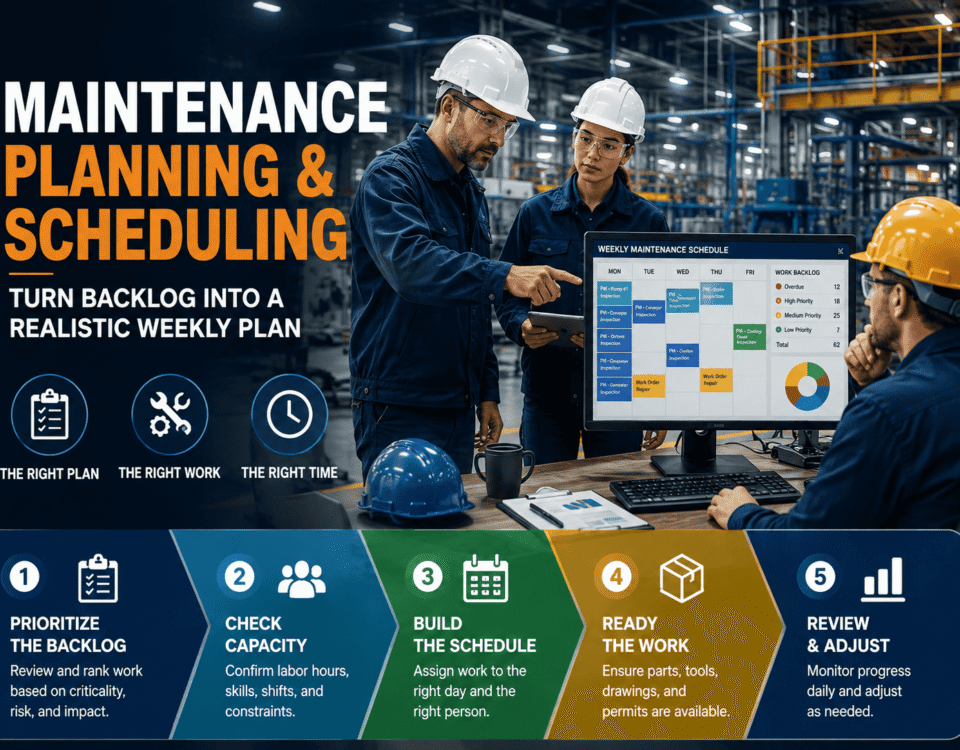
Preventive maintenance is crucial for organizations aiming to enhance operational efficiency and reduce unexpected equipment failures. By implementing a preventive maintenance strategy, businesses can schedule regular inspections and maintenance tasks that help identify potential issues before they lead to costly downtime.
For instance, companies that adopt preventive maintenance practices often report a significant decrease in emergency repairs and an increase in equipment lifespan. This proactive approach not only saves money in the long run but also ensures that production processes remain uninterrupted, thereby boosting overall productivity.
When selecting maintenance management software, it’s essential to evaluate features that align with your organization’s specific needs. Key factors to consider include user-friendliness, scalability, integration capabilities, and the range of reporting tools available to track maintenance activities effectively.
For example, software solutions that offer mobile access can empower maintenance teams to manage tasks on-the-go, improving response times and communication. Additionally, comprehensive reporting features can provide insights into maintenance trends, helping organizations make data-driven decisions to optimize their maintenance strategies.
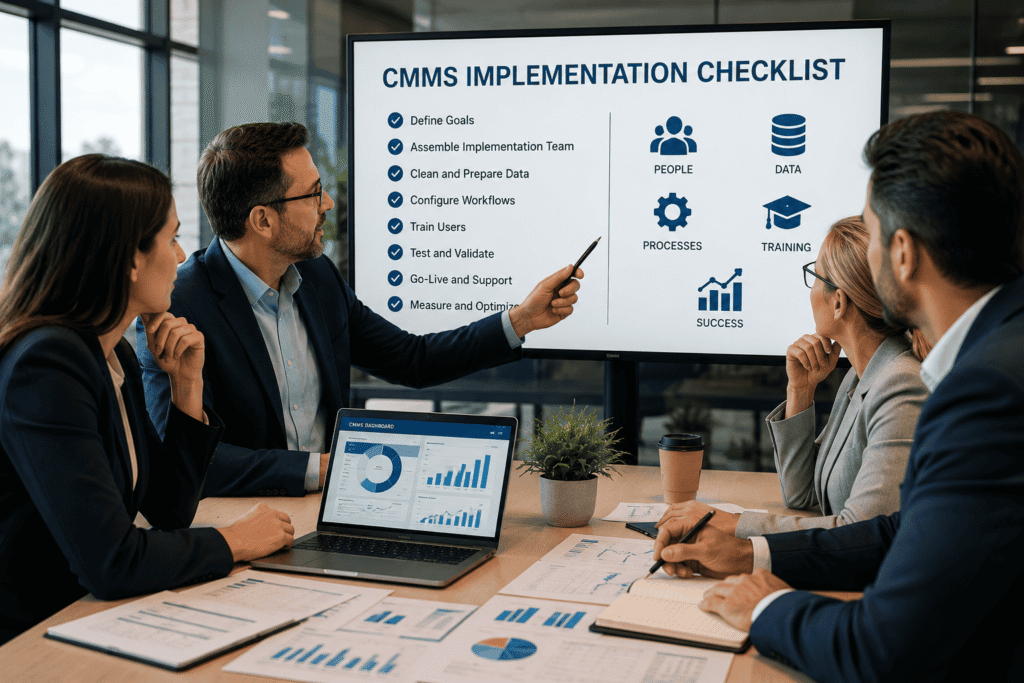
Conducting a cost-benefit analysis is vital for organizations considering the implementation of maintenance management systems. This analysis helps illustrate the potential return on investment by comparing the costs of software implementation and maintenance against the expected savings from reduced downtime and improved asset performance.
For instance, a company that invests in a robust maintenance management system may find that the reduction in emergency repairs and enhanced equipment efficiency far outweighs the initial costs. By quantifying these benefits, organizations can make informed decisions about their maintenance management investments.
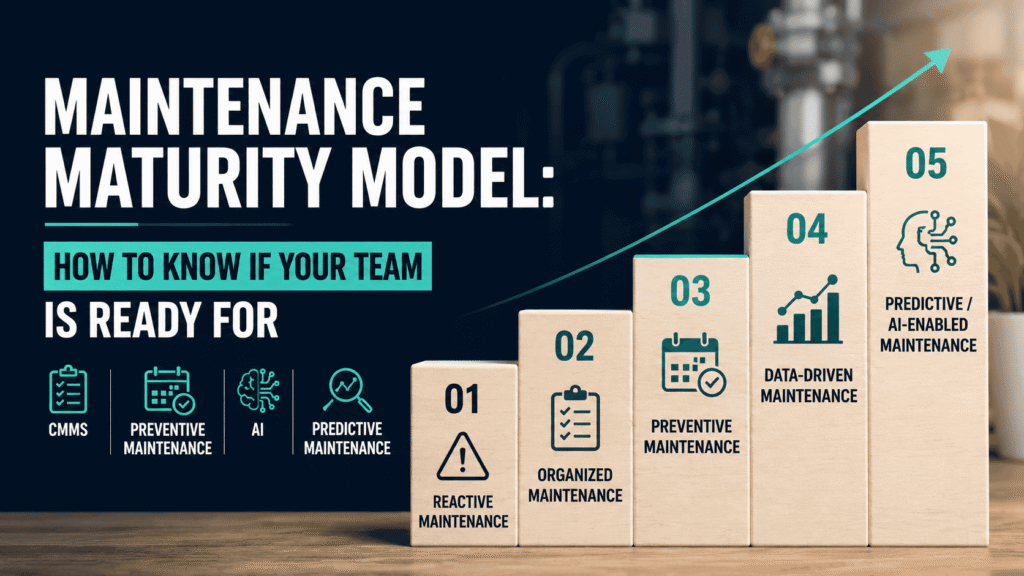
As technology evolves, maintenance management practices are also changing. Emerging trends such as predictive maintenance, driven by advancements in IoT and machine learning, are reshaping how organizations approach maintenance tasks, allowing for more proactive strategies that minimize downtime.
Moreover, the integration of artificial intelligence in maintenance management software is expected to enhance decision-making processes by providing actionable insights based on historical data. Companies that stay ahead of these trends will be better positioned to optimize their maintenance operations and maintain a competitive edge in their industries.
Preventive maintenance is crucial for organizations aiming to enhance operational efficiency and reduce unexpected equipment failures. By implementing a preventive maintenance strategy, businesses can schedule regular inspections and maintenance tasks that help identify potential issues before they lead to costly downtime.
For instance, companies that adopt preventive maintenance practices often report a significant decrease in emergency repairs and an increase in equipment lifespan. This proactive approach not only saves money in the long run but also ensures that production processes remain uninterrupted, thereby boosting overall productivity.
When selecting maintenance management software, it’s essential to evaluate features that align with your organization’s specific needs. Key factors to consider include user-friendliness, scalability, integration capabilities, and the range of reporting tools available to track maintenance activities effectively.
For example, software solutions that offer mobile access can empower maintenance teams to manage tasks on-the-go, improving response times and communication. Additionally, comprehensive reporting features can provide insights into maintenance trends, helping organizations make data-driven decisions to optimize their maintenance strategies.
Conducting a cost-benefit analysis is vital for organizations considering the implementation of maintenance management systems. This analysis helps illustrate the potential return on investment by comparing the costs of software implementation and maintenance against the expected savings from reduced downtime and improved asset performance.
For instance, a company that invests in a robust maintenance management system may find that the reduction in emergency repairs and enhanced equipment efficiency far outweighs the initial costs. By quantifying these benefits, organizations can make informed decisions about their maintenance management investments.
As technology evolves, maintenance management practices are also changing. Emerging trends such as predictive maintenance, driven by advancements in IoT and machine learning, are reshaping how organizations approach maintenance tasks, allowing for more proactive strategies that minimize downtime.
Moreover, the integration of artificial intelligence in maintenance management software is expected to enhance decision-making processes by providing actionable insights based on historical data. Companies that stay ahead of these trends will be better positioned to optimize their maintenance operations and maintain a competitive edge in their industries.