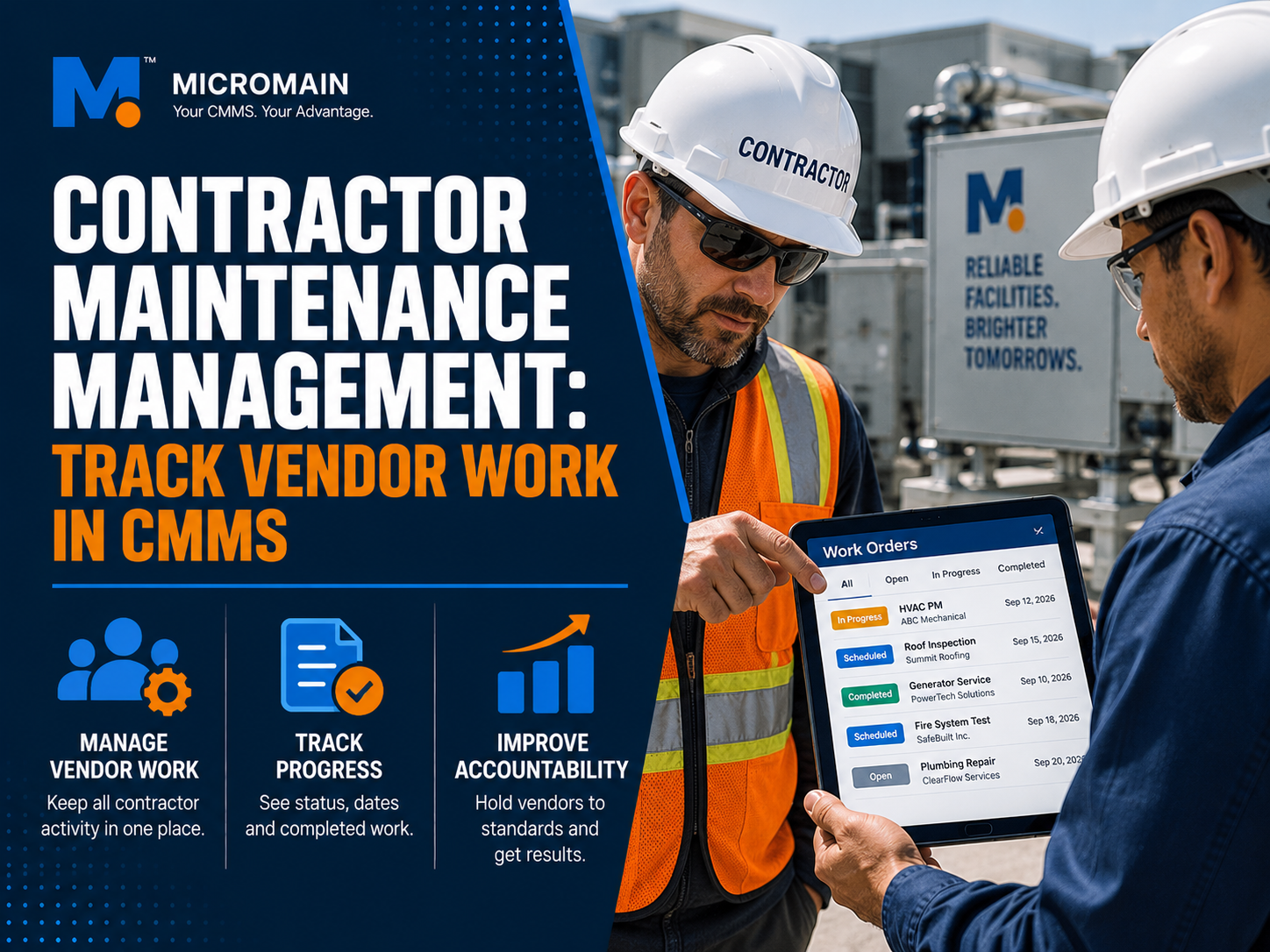
Contractor Maintenance Management: Track Vendor Work in CMMS
Contractor Maintenance Management: How to Track Vendor Work, Costs, SLAs, and Compliance in a CMMS Outside maintenance work often becomes difficult to control because it lives

Contractor Maintenance Management: How to Track Vendor Work, Costs, SLAs, and Compliance in a CMMS Outside maintenance work often becomes difficult to control because it lives

Maintenance Request Management: How to Capture, Review, and Prioritize Requests Before They Become Work Orders Most maintenance teams do not only receive work from planned PMs

Shift Handover in Maintenance: How to Prevent Communication Gaps Between Teams Maintenance work does not stop just because one shift ends. An asset may still be
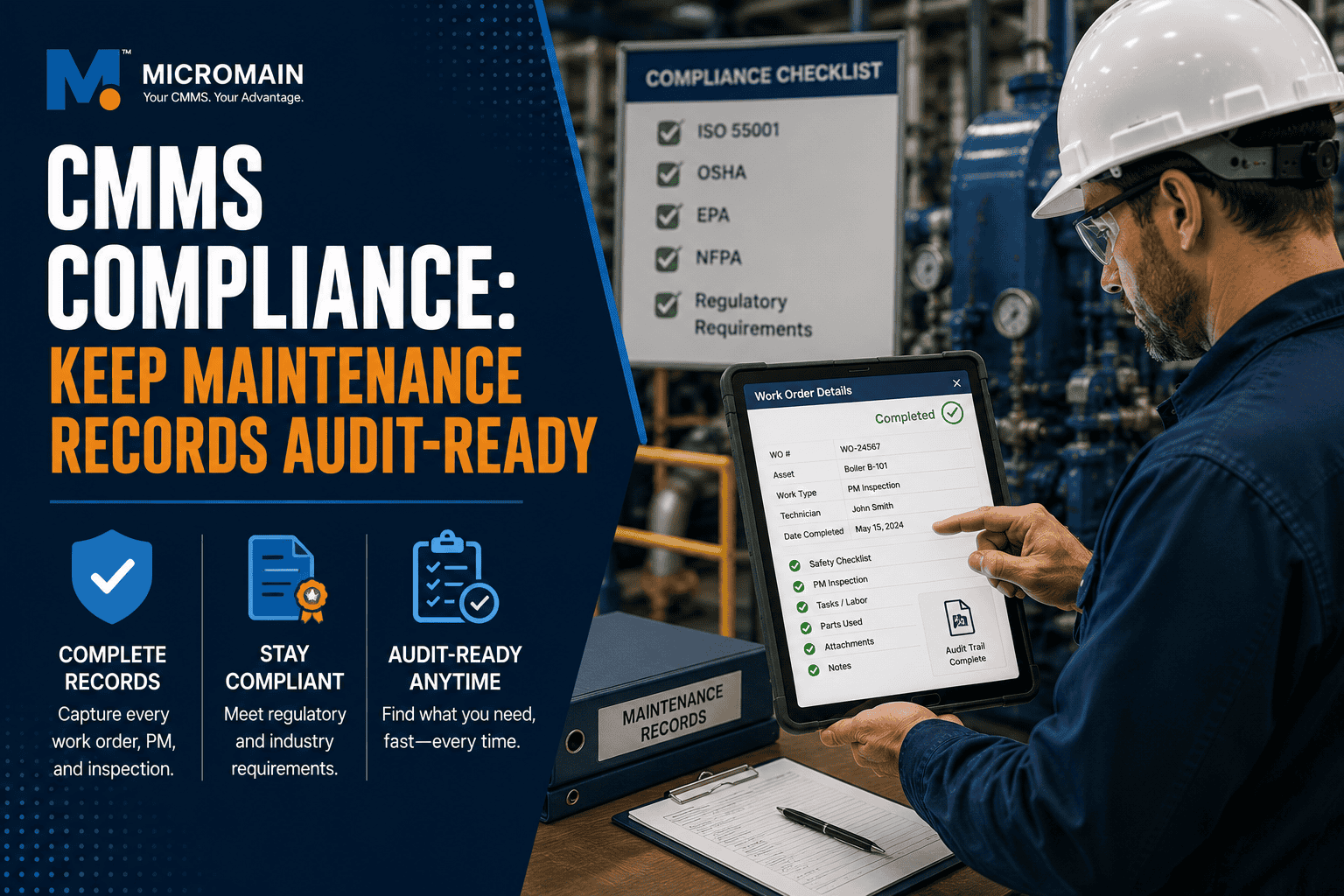
CMMS Compliance: How to Keep Maintenance Records Audit-Ready Without Scrambling When an audit, inspection, safety review, customer request, or compliance check appears, maintenance teams often face
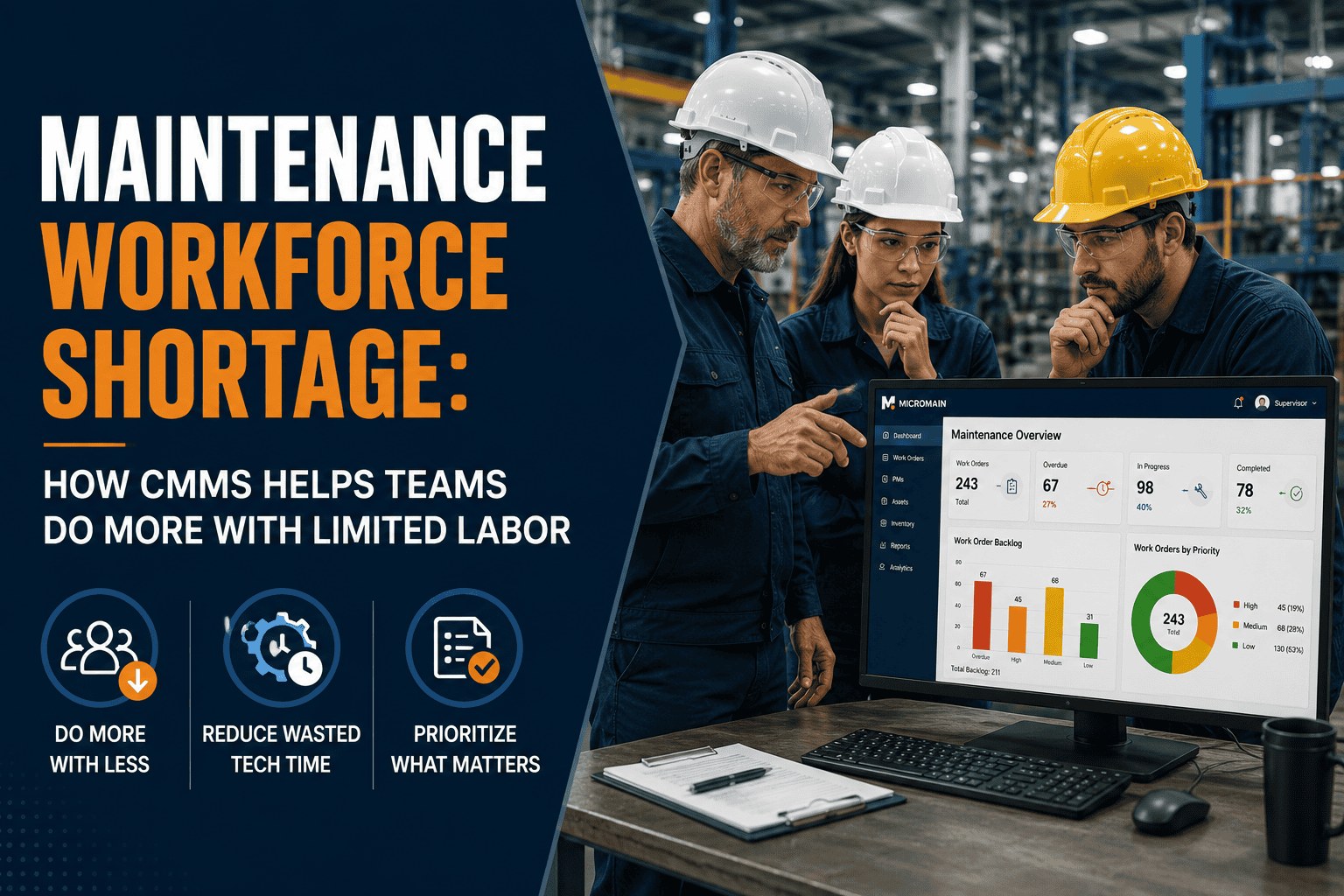
Maintenance Workforce Shortage: How CMMS Helps Teams Do More With Limited Labor Maintenance teams are being asked to do more with less, but the workload is
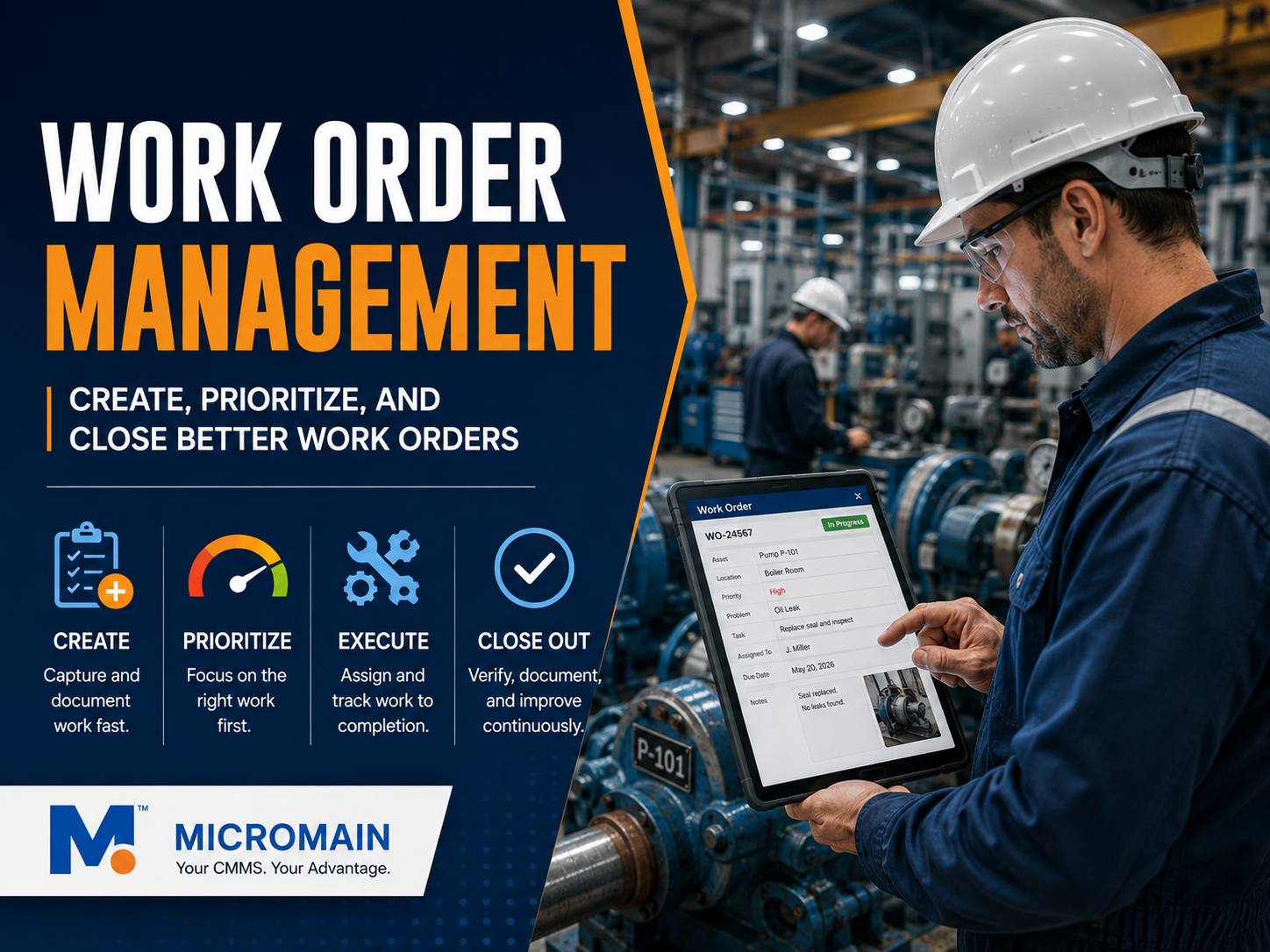
Work Order Management: How to Create, Prioritize, and Close Better Maintenance Work Orders Maintenance work does not usually fail because technicians are not busy. It fails
Asset Hierarchy Best Practices: Building a CMMS Structure That Actually Works A strong asset hierarchy is one of the foundations of a useful CMMS. In practice,
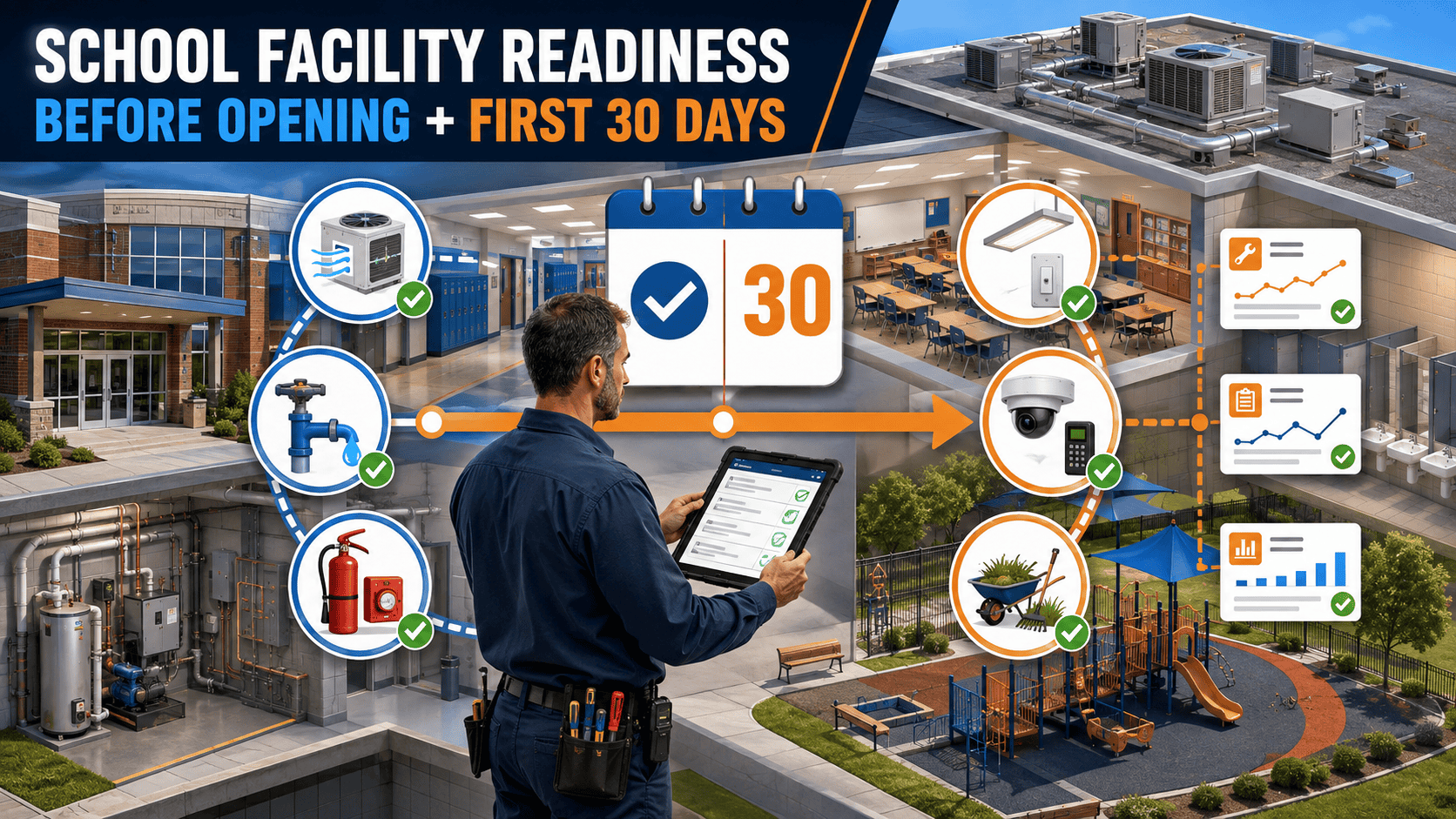
Back-to-School Facility Maintenance Checklist: What to Inspect Before Opening and During the First 30 Days Opening day is an important deadline, but it is not the
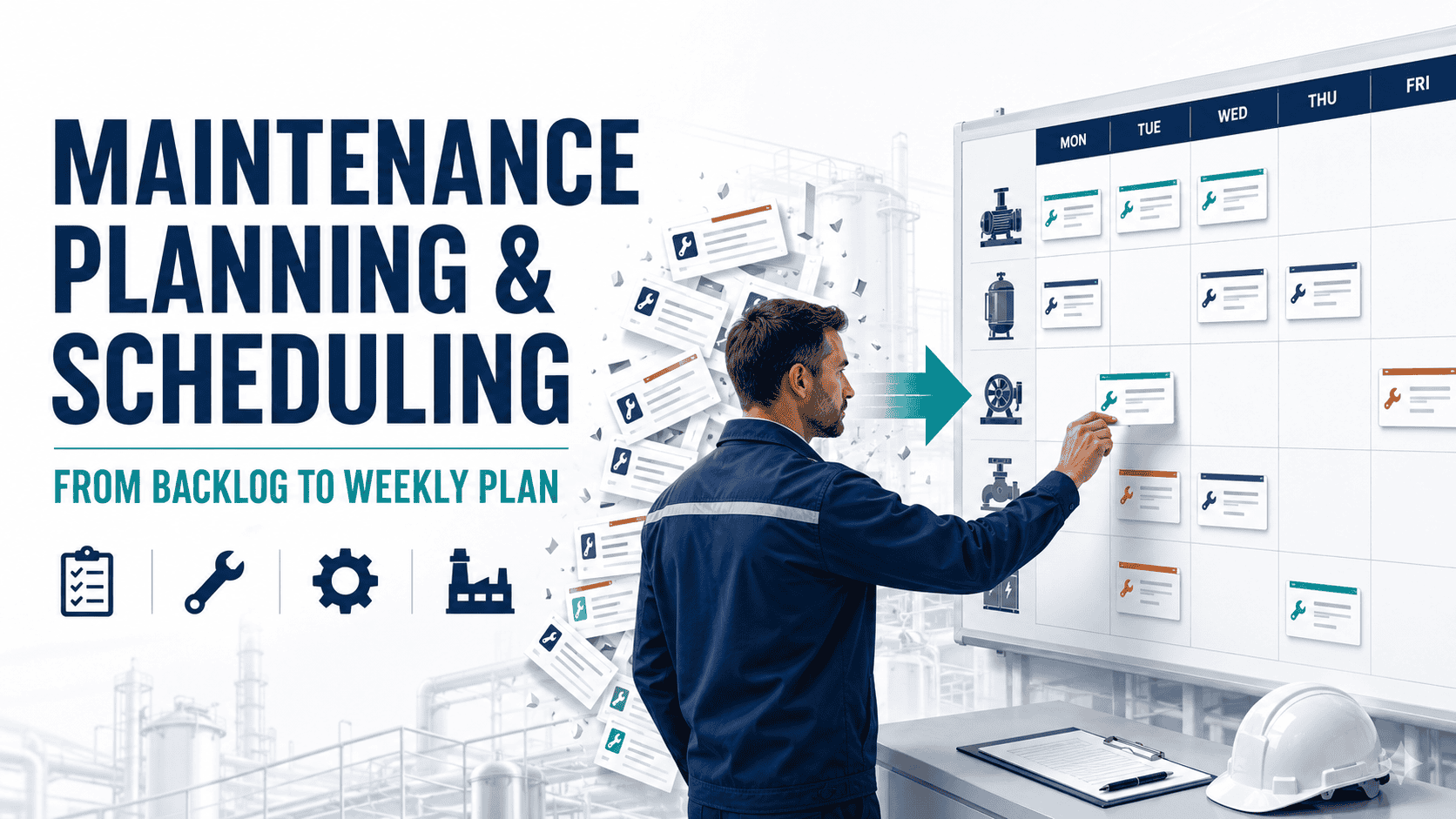
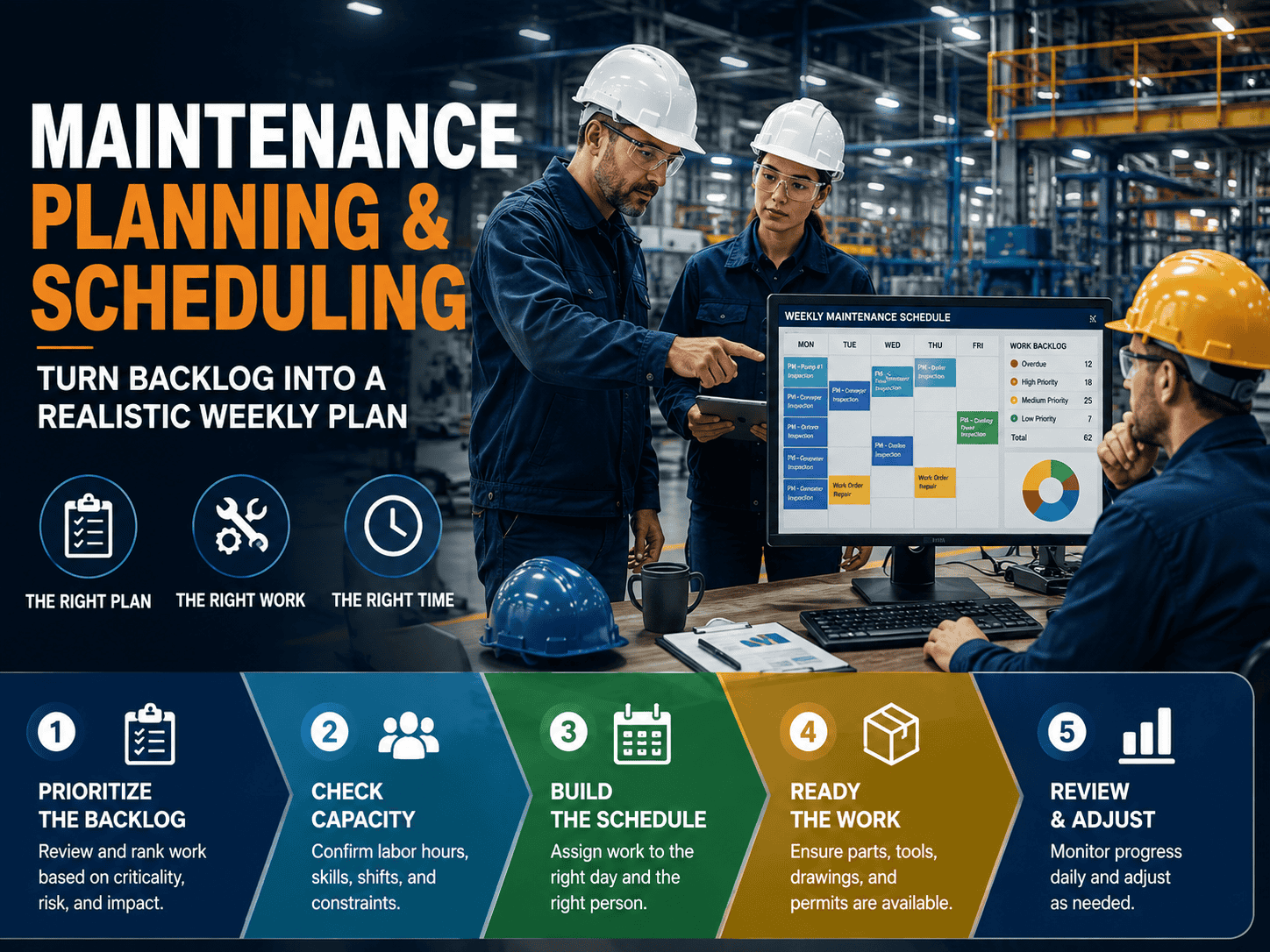
Maintenance Planning and Scheduling: How to Turn Backlog Into a Realistic Weekly Plan Most maintenance teams do not have a shortage of work. They have open

Technician Skill Matrix in CMMS: How to Match the Right Technician to the Right Work Order Maintenance work is not interchangeable. One technician may excel at

Maintenance Management Guide Calibration Management in CMMS: How to Track Due Dates, Certificates, and Out-of-Tolerance Equipment Calibration management in CMMS helps maintenance, quality, and operations teams

Meter-Based Maintenance in CMMS: How to Trigger PMs by Runtime, Mileage, Cycles, and Readings Meter-based maintenance is a preventive maintenance strategy that triggers work based on
As industries evolve, so do the technologies that support maintenance management. Emerging trends such as predictive analytics, artificial intelligence, and mobile applications are transforming how organizations approach maintenance. These technologies not only enhance efficiency but also enable proactive decision-making, allowing teams to address potential issues before they escalate.
For instance, predictive analytics can analyze historical data to forecast equipment failures, while mobile applications empower technicians with real-time information on-the-go. Companies that adopt these trends can significantly reduce downtime and maintenance costs, positioning themselves ahead of competitors who rely on traditional methods.
Effective training is crucial for the successful implementation of a CMMS. Best practices include hands-on training sessions, regular workshops, and the creation of comprehensive training materials that cater to different learning styles. By investing in training, organizations can ensure that their maintenance teams are well-equipped to leverage the full capabilities of the software.
For example, incorporating real-life scenarios into training can enhance understanding and retention. Additionally, ongoing support and refresher courses can help maintain high levels of proficiency, ultimately leading to improved operational efficiency and user satisfaction with the CMMS.
Understanding the differences between Computerized Maintenance Management Systems (CMMS) and Enterprise Asset Management (EAM) is essential for businesses looking to optimize their maintenance strategies. While both systems aim to improve asset performance, CMMS focuses primarily on maintenance tasks, whereas EAM encompasses a broader scope, including asset lifecycle management and financial considerations.
Choosing the right system depends on the specific needs of the organization. For instance, a manufacturing firm may benefit from a CMMS to streamline maintenance operations, while a large enterprise might require an EAM solution to manage a diverse range of assets across multiple locations. Evaluating the unique requirements of your business will help in making an informed decision.
Data analytics plays a pivotal role in refining maintenance strategies by providing actionable insights into equipment performance and maintenance activities. By analyzing data collected through CMMS, organizations can identify patterns and trends that inform better decision-making and resource allocation.
For example, data analytics can reveal the most common causes of equipment failure, enabling maintenance teams to address underlying issues proactively. Companies that leverage data analytics not only enhance their maintenance processes but also drive continuous improvement, leading to increased operational efficiency and reduced costs over time.