Industry 4.0 and Smart Manufacturing in 2026: How CMMS Integration Drives Predictive Maintenance and Digital Transformation
As we approach 2026, the landscape of manufacturing is undergoing a profound transformation driven by Industry 4.0 principles. This new era emphasizes the integration of advanced technologies such as the Internet of Things (IoT), artificial intelligence (AI), and big data analytics into manufacturing processes. This article explores how these innovations redefine smart manufacturing and the critical role of Computerized Maintenance Management Systems (CMMS) in facilitating this transition. Readers will gain insights into the core concepts of Industry 4.0, the integration of CMMS, and the future trends shaping the manufacturing sector. The challenges of maintaining operational efficiency and asset performance are significant, but with the right tools and strategies, manufacturers can achieve remarkable improvements. We will delve into various aspects, including predictive maintenance, real-time asset monitoring, and the collaboration between digital twins and CMMS.
What is Industry 4.0, and How Does It Define Smart Manufacturing?
Industry 4.0 represents the fourth industrial revolution, characterized by the fusion of digital technologies with manufacturing processes. This paradigm shift leverages smart technologies to create interconnected systems that enhance productivity and efficiency. The core principles of Industry 4.0 include automation, data exchange, and the integration of cyber-physical systems, which collectively enable manufacturers to optimize operations and respond swiftly to market demands.
What are the core principles and technologies of Industry 4.0?
The foundational principles of Industry 4.0 encompass several key technologies, including IoT, AI, and advanced robotics. IoT facilitates real-time data collection and analysis, allowing for improved decision-making and operational efficiency. AI enhances predictive analytics, enabling manufacturers to anticipate equipment failures and optimize maintenance schedules. Additionally, advanced robotics automate repetitive tasks, freeing human workers to focus on more complex activities. These technologies collectively drive operational excellence and foster a more agile manufacturing environment.
How does smart manufacturing utilize Industry 4.0 concepts for operational excellence?
Smart manufacturing harnesses Industry 4.0 concepts to achieve operational excellence by creating a seamless flow of information across the production process. For instance, real-time data from IoT devices allows manufacturers to monitor equipment performance continuously, leading to proactive maintenance strategies. This integration not only reduces downtime but also enhances product quality and customer satisfaction. By leveraging these technologies, manufacturers can streamline operations, reduce costs, and improve overall efficiency.
How Does CMMS Enable Industry 4.0 and Smart Manufacturing Integration?
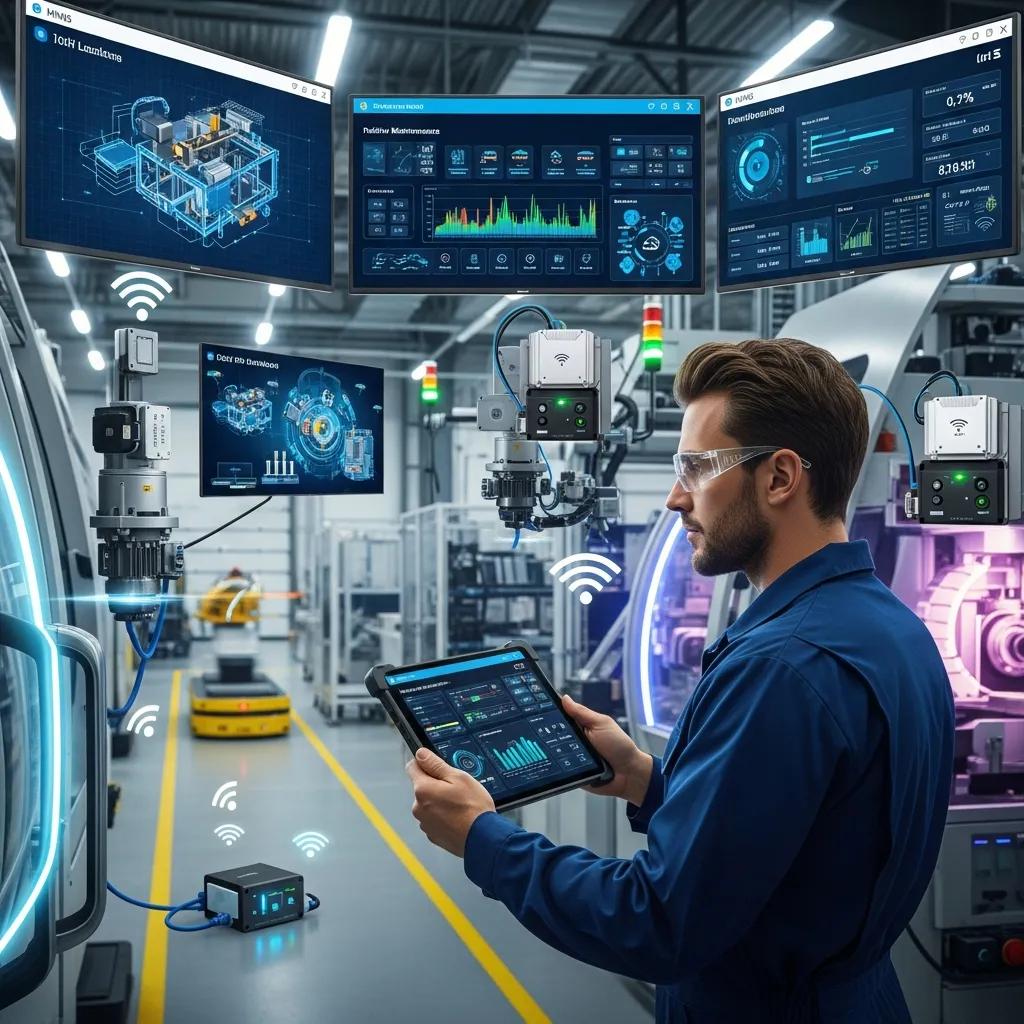
Computerized Maintenance Management Systems (CMMS) play a pivotal role in enabling the integration of Industry 4.0 technologies within manufacturing environments. By providing a centralized platform for managing maintenance activities, CMMS enhances operational efficiency and asset performance. The system’s ability to collect and analyze data from various sources allows manufacturers to make informed decisions regarding maintenance strategies and resource allocation.
What features make CMMS essential for Industry 4.0 maintenance management?
Key features of CMMS that support Industry 4.0 maintenance management include predictive maintenance capabilities, real-time monitoring, and data analytics. Predictive maintenance utilizes data from IoT sensors to forecast equipment failures, allowing for timely interventions that minimize downtime. Real-time monitoring provides insights into asset performance, enabling manufacturers to optimize maintenance schedules and resource allocation. Additionally, data analytics helps identify trends and patterns, facilitating continuous improvement in maintenance practices.
How does CMMS bridge operational technology and information technology in smart factories?
CMMS serves as a critical bridge between operational technology (OT) and information technology (IT) in smart factories. By integrating data from both domains, CMMS enables manufacturers to achieve a holistic view of their operations. This integration allows for better communication between maintenance teams and production staff, ensuring that maintenance activities align with production schedules. Furthermore, it enhances the overall efficiency of manufacturing processes by facilitating data-driven decision-making.
What Role Does Predictive Maintenance Software Play in Smart Manufacturing?
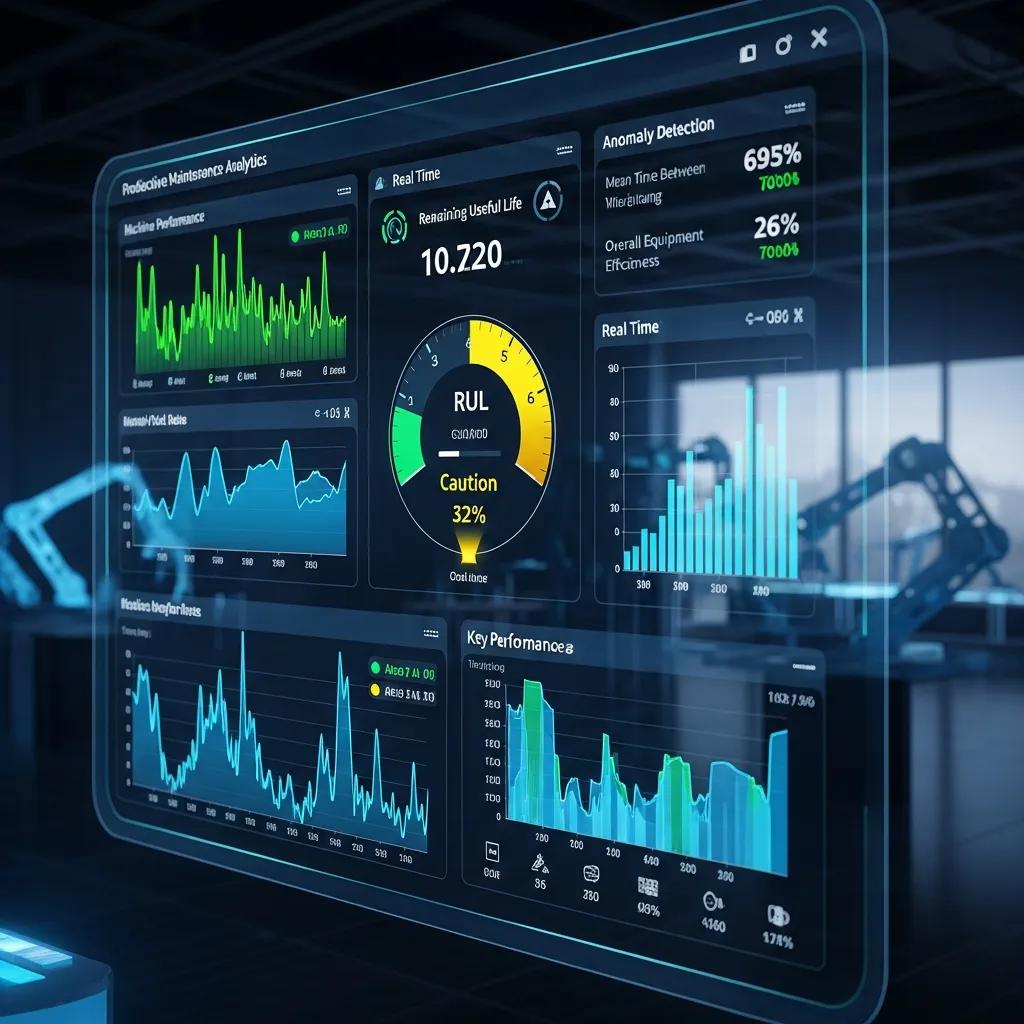
Predictive maintenance software is a cornerstone of smart manufacturing, leveraging advanced analytics and machine learning to optimize maintenance strategies. By analyzing data from IoT sensors and historical maintenance records, predictive maintenance software can identify potential equipment failures before they occur, significantly reducing unplanned downtime.
How do IoT sensors and AI drive predictive maintenance within CMMS?
IoT sensors collect real-time data on equipment performance, while AI algorithms analyze this data to identify patterns and anomalies. This combination allows predictive maintenance software to forecast when maintenance is needed, enabling manufacturers to schedule interventions proactively. By integrating these technologies within a CMMS, manufacturers can enhance their maintenance strategies, leading to improved asset reliability and reduced operational costs.
What are the benefits of predictive maintenance for manufacturing efficiency and cost reduction?
The benefits of predictive maintenance are substantial, including increased manufacturing efficiency and significant cost reductions. By preventing equipment failures, manufacturers can avoid costly downtime and production delays. Additionally, predictive maintenance optimizes resource allocation, ensuring that maintenance activities are performed only when necessary. This approach not only extends the lifespan of equipment but also reduces maintenance costs, contributing to overall operational efficiency.
How Is IoT Integrated with CMMS for Real-Time Asset Monitoring?
The integration of IoT with CMMS enables real-time asset monitoring, providing manufacturers with valuable insights into equipment performance and health. This integration allows for continuous data collection and analysis, facilitating proactive maintenance strategies and informed decision-making.
What are the key components of IIoT in manufacturing maintenance?
The key components of the Industrial Internet of Things (IIoT) in manufacturing maintenance include sensors, connectivity, and data analytics platforms. Sensors collect data on equipment performance, while connectivity solutions enable the transmission of this data to centralized systems like CMMS. Data analytics platforms then process and analyze the data, providing actionable insights that drive maintenance strategies and operational improvements.
How does real-time data from IoT devices enhance CMMS decision-making?
Real-time data from IoT devices enhances CMMS decision-making by providing up-to-date information on equipment performance and health. This data allows maintenance teams to identify potential issues before they escalate, enabling timely interventions that minimize downtime. Furthermore, real-time insights facilitate better resource allocation and scheduling, ensuring that maintenance activities align with production demands.
How Do Digital Twins and CMMS Collaborate to Optimize Asset Lifecycle Management?
Digital twins represent a virtual replica of physical assets, enabling manufacturers to simulate and analyze equipment performance in real-time. The collaboration between digital twins and CMMS enhances asset lifecycle management by providing valuable insights into equipment health and performance.
What is the function of digital twin technology in smart manufacturing?
Digital twin technology functions by creating a virtual model of physical assets, allowing manufacturers to monitor and analyze performance in real-time. This technology enables predictive analytics, helping manufacturers anticipate equipment failures and optimize maintenance strategies. By integrating digital twins with CMMS, manufacturers can enhance their maintenance practices and improve overall asset management.
How does CMMS leverage digital twins for simulation and maintenance planning?
CMMS leverages digital twins by utilizing the data generated from these virtual models to inform maintenance planning and decision-making. By simulating various scenarios, manufacturers can identify the most effective maintenance strategies and resource allocation. This integration not only improves maintenance efficiency but also enhances the overall performance of manufacturing operations.
How Does CMMS Support Operational Efficiency and Inventory Management in Smart Factories?
CMMS supports operational efficiency and inventory management in smart factories by providing a centralized platform for managing maintenance activities and resources. This system enables manufacturers to optimize their maintenance strategies and ensure that inventory levels align with production demands.
What strategies does CMMS use to optimize MRO inventory with QR and barcode tracking?
CMMS employs several strategies to optimize Maintenance, Repair, and Operations (MRO) inventory, including QR and barcode tracking. These technologies enable manufacturers to monitor inventory levels in real-time, ensuring that necessary parts and materials are readily available when needed. By streamlining inventory management, CMMS helps reduce excess stock and associated carrying costs.
How does CMMS improve workforce management and automated work order processes?
CMMS enhances workforce management by automating work order processes and providing real-time insights into maintenance activities. This automation allows maintenance teams to prioritize tasks based on urgency and resource availability, improving overall efficiency. Additionally, CMMS facilitates better communication between maintenance and production teams, ensuring that maintenance activities align with operational goals.
What Future Trends Will Shape CMMS and Smart Manufacturing Beyond 2026?
As we look beyond 2026, several trends are poised to shape the future of CMMS and smart manufacturing. These trends include the rise of Industry 5.0, the increasing importance of human-centric manufacturing, and the integration of emerging technologies.
How will Industry 5.0 and human-centric manufacturing influence CMMS development?
Industry 5.0 emphasizes the collaboration between humans and machines, focusing on enhancing the role of human workers in manufacturing processes. This shift will influence CMMS development by prioritizing user-friendly interfaces and collaborative tools that empower maintenance teams. As manufacturers seek to create more inclusive and efficient work environments, CMMS will need to adapt to support these evolving needs.
What emerging technologies like AI, 5G, and cybersecurity will impact CMMS solutions?
Emerging technologies such as AI, 5G, and cybersecurity will significantly impact CMMS solutions by enhancing data connectivity, security, and analytics capabilities. AI will enable more advanced predictive maintenance algorithms, while 5G will facilitate faster and more reliable data transmission from IoT devices. Additionally, robust cybersecurity measures will be essential to protect sensitive data and ensure the integrity of manufacturing operations.
How Can MicroMain CMMS Help Manufacturers Achieve Industry 4.0 Success?
MicroMain CMMS offers a comprehensive solution for manufacturers seeking to achieve success in the era of Industry 4.0. With over 30 years of experience in the maintenance management industry, MicroMain is trusted by thousands of customers to streamline maintenance operations and enhance operational efficiency.
What unique features and proven ROI does MicroMain CMMS offer for smart manufacturing?
MicroMain CMMS provides unique features such as predictive maintenance capabilities, real-time asset monitoring, and advanced analytics. These features enable manufacturers to optimize maintenance strategies, reduce downtime, and improve asset performance. The proven return on investment (ROI) from implementing MicroMain CMMS is evident in the significant cost savings and efficiency improvements reported by users.
How does MicroMain future-proof operations with IoT and predictive analytics integration?
MicroMain is committed to future-proofing operations by integrating IoT and predictive analytics into its CMMS solutions. This integration allows manufacturers to leverage real-time data for informed decision-making and proactive maintenance strategies. By staying ahead of technological advancements, MicroMain ensures that its customers are well-equipped to navigate the challenges of the evolving manufacturing landscape.
Conclusion
Embracing Industry 4.0 through CMMS integration offers manufacturers enhanced operational efficiency, predictive maintenance, and real-time asset monitoring. These advancements not only streamline processes but also significantly reduce costs and downtime, reinforcing the value of adopting smart manufacturing practices. To stay ahead in this rapidly evolving landscape, consider exploring tailored CMMS solutions that align with your operational goals. Discover how MicroMain CMMS can transform your manufacturing operations today.